Showing posts with label anti-aging. Show all posts

Tuesday, July 26, 2011

I Got Seaweed Fever

Wakame (photo via)

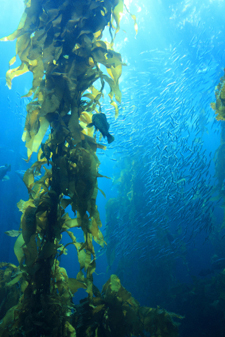
And you know what I need?  No, not more cowbell (although that would definitely be my second choice).  I need to get out in the pristine waters of the San Juans and harvest my own kelp.  I have a trip planned to Lopez Island (Washington state) in less than 2 weeks and I’m itching like crazy to get in my kayak, to sit on the moving, cold pacific waters in the midst of ancient kelp beds and to just breathe the salty air.  There is something extraordinary and transcendent about being in the presence of living seaweed and connecting to such a life-giving force.  

For now, I’m fixing my itching by making Ginger Wakame Crisps (recipe below).  Wakka what?  Pronounced "wok-uh-may," this glorious sea treasure is a deep, richly green colored kelp (though actually in the brown algae family: Undaria pinnatifida).   

Wakame is just one of many varieties of seaweed. You might have seen it in miso soup since it is traditional to Japanese cooking and culture.

What’s the big deal about seaweed?

Glad you asked.  It’s a huge deal.  It’s been prized and eaten for literally thousands of years as a powerful, sustainable, medicinal and tasty food source.                                                                                                                                                                                                    
Here's why:

  • Mineral density!  Think of minerals when you think of seaweed.  Seaweed contains ALL the minerals the body needs for hundreds of vital biochemical pathways that take place every single second: calcium for bone health and cell signaling; iodine and selenium for thyroid function; iron for oxygen transport and energy metabolism; sodium and potassium which are essential for electrolyte balance --- just to name a few!
  • It’s an excellent detoxifier.  Seaweed contains alginic acid, which has the remarkable ability to bind toxic heavy metals and other toxins (like dioxin) so they can be excreted and not absorbed by our tissues; heavy metal toxicity places an enormous burden on our bodies and is the source of a lot of dysfunction and dis-ease at the cellular level.
  • Helps prevent cancer and tumor growth. For the reasons listed above, but especially for colon and estrogen-related cancers like breast cancer; however if a patient is undergoing chemo or radiation therapies, incorporating brown seaweeds into the diet are a must for ongoing support.
  • It’s anti-viral, fighting off viruses that can penetrate and infect our DNA, like HIV and Herpes (both I and II).
  • Great plant source of B vitamins, especially B12: important for everyone, but definitely vegans and vegetarians who have to be mindful about getting enough B12 in their diets. 
There are just a few of my favorite therapeutic benefits, but also keep in mind that seaweed is a powerful antioxidant, rich in both phytonutrients and fucoidan compounds, additionally making consuming seaweed especially good for:

  • Boosting the immune system
  • Growth of shiny, healthy, hair, nails and skin
  • Weight loss
  • Heart health (as an anti-coagulant)
  • Controlling blood sugar and lowering the risk of Type II Diabetes
  • Quelling inflammatory conditions in the body (your guts, your joints)
Who wouldn’t want those benefits?  Let me assure you that as much as I love the medicinal profile of seaweed, I would not make a whole dish out of it if it didn’t taste good!  

I challenge you to go to your natural foods market (or visit Eden Foods) to purchase dried wakame and make this dish.  You may be completely surprised by how easy it is to toss back a handful of this crispy, subtly sweet, salty treat.  If you aren’t feeling quite so bold but really want the medicinal benefits of seaweed, stay tuned for the next post on seaweed for a tip that makes eating seaweed easy for any palette.  If you have a sensitive gut, it’s not a bad idea to start slow to allow your body time to assimilate a new food.

And finally, I wrote up this recipe a few months back and am dedicating it to one of my dearest friends, Siona.  Within a week of first meeting her a couple years ago, she shared this pearl, this gospel of good news, this thing called, kombu: seaweed.  I was in awe.  And I remember the exact moment of this first introduction because it was a gift of knowledge that had been imparted, that resonated with my passion for whole food and food as medicine.  We were taking a walk near Waverly Beach Park in Kirkland, WA as we admired the beauty of the lake and the glimpse of the space needle in the distance.  Since then, I have harvested it myself, researched in depth the many varieties, nutritional and medicinal properties and cook with it several times a week in my home.  This friend and I marvel together over our love for this sea treasure, just as much as we marvel over rich, creamy, full-fat, good, quality ice cream. 

For some, seaweed or sea vegetables is nothing new.  You’ve had sushi wrapped in nori, or miso soup with shreds of wakame in it, but for many Americans, seaweed is not a part of our regular diets.

It should be. 

I am so grateful for gaining a deeper understanding of this powerful food and so now I impart this to you!

1/2 cup of dried wakame (right) with same amount hydrated (left)

There are numerous varieties with a range of flavor profiles, so try a few different kinds and see what you like.  …more on seaweed harvesting, sustainability and ways to use seaweed everyday in a future post.  

Any seaweed questions, post ‘em up!  Whose got a fever?


Ginger Wakame Crisps
__________________________________________________________________ 
I made these mineral-rich, ginger and sesame-spiced seaweed snacks in honor of one of my dearest friends, Siona Sammartino, who lives, breathes and dreams seaweed!  There is a lovely little restaurant called Nettletown that is nestled away in the Eastlake area of Seattle; it happens to be one of our favorite places to frequent especially because of the crispy seaweed appetizer on the menu.  You can serve this as a unique and tasty appetizer, a topping for salads, Asian noodle dishes or simply enjoy it as a salty snack.
__________________________________________________________________ 


Preparation time: 40 minutes
Serves 4

½ cup dried wakame
¼ cup coarse grated ginger root
2 tablespoons toasted sesame oil
1 teaspoon tamari
1 teaspoon brown rice vinegar
Pinch of white pepper (optional)


Pre-heat oven to 350°F.

To re-hydrate wakame, place it in a medium size bowl and cover with plenty of water for.  Let the seaweed set for 5-10 minutes while you prepare the dressing.  It will grow at least 5 times in volume. 

In a small bowl, squeeze the juice from the grated ginger using your hand to wring out every last bit.  Discard the pulp.  Add the oil, tamari, vinegar, white pepper and stir. 

Drain the wakame and a use a towel to gently blot the seaweed to soak up as much water as possible.  Pour the liquid mixture over the hydrated seaweed and carefully toss to coat.  Spread half of the wakame on a large baking sheet making sure to not leave clumps so the heat can circulate and make them nice and crispy.  Bake for 15-17 minutes, or until the seaweed crisps up.  Use a spatula to remove the wakame crisps from the pan and place on a plate lined with paper towels.  Repeat for the remaining half of seaweed. Enjoy!
  

Copyright 2011, S. Nester, Original recipe
_____________________________________________________________________________


***Note: If you have a hyperactive thyroid or are concerned about iodine content in seaweed, talk with your physician before consuming seaweed on a regular basis.  Wakame specifically contains 50-150ppm of iodine. 

Sources:

Saturday, April 9, 2011

Sauerkrautin' - The Pickled, The Pink and The Skeptical

Pink Juniper Sauer Kraut
Well, it's about time for something "pickled" on Pickled, wouldn't ya say?  So let's go with something vibrant, beautiful and delicious!


Menu: 
Pink Juniper Sauerkraut.


And the chef is the skeptic. Well sort of. I say this because I'm conquering a fear I've had since I was 8 years old.


I’ve fermented tempeh, kefir, pickles, beer, salsa and kombucha but I’ve intentionally avoided sauerkraut for YEARS.  It goes like this: 2nd grade, at a friend’s house, her mom made me eat a bowl of sauerkraut with hotdogs. I literally remember my gag reflex freaking out and some tears to follow = traumatized.  


Twenty years later, I’m making some baby steps to heal that old wound (now that I'm all grown up).  Plus, I was a super picky kid.  To my delight, I have found many of the foods I despised as a child, I now have come to love.  So, not only do I want to give sauerkraut a second chance, but making sauerkraut is totally fun.  I'm going to rebel a bit from proper recipe format if you don't mind.  Part of the adventure in sauerkrautin' is that you can't really screw it up and you get to break out your MacGuyver skills by resourcefully rigging together containers, jars, whatever you have on hand in your kitchen.  Below is a quick and dirty recipe along with some photos of the process.


But first, why won't I just let this go and throw it in the doghouse (along with my other blacklisted foods like red onions and celery)?  It's because sauerkraut is a living food.  Cultured, pickled, fermented foods are a part of almost every culture and have been a cherished method of preservation and nourishment for hundreds (perhaps thousands) of years.  Fermented foods are packed with flavor and remarkable medicinal qualities, specifically beneficial microorganisms essential for health.

Fermented foods have too much in their favor to be written off so easily.  Here's what I'm talking about:

·        not only are nutrients retained, but new ones are created, like: the B vitamins, essential amino acids and anti-oxidants
·        it’s a powerful raw, digestive aid that can help better digest proteins and fiber from your food
·        it enhances nutrient bioavailability
·        it's a PRObiotic (the Greek word meaning: "for life"), which balances out the damaging and depleting effects that our intestines may be exposed to throughout life, such as:
o       chronic stress
o       chlorine
o       caffeine
o       alcohol
o       tobacco
o       food additives
o       antibiotics/prescription drugs
o       chemotherapy
o       birth control pills
o       nutritional deficiencies
o       exposure to environmental toxins
·        an improper balance of the good bacteria has been linked to chronic disease
·        fermented foods contain anti-carcinogenic enzymes to help our bodies prevent and fight off cancers
·        they are detoxifying
·        this good bacteria helps stimulate the body's natural defenses and help protect us against infections from pathogenic bacteria, yeasts and fungi

The bottom line: One powerful way to build a foundation for a strong immune system, vibrant health and longevity, is to show some love to your intestinal tract and start incorporating fermented/cultured foods into your diet.


A little history: I love food history, don't you?
Typically, ferments are made in the fall when the idea is to preserve the harvest for the winter months (though fermenting can be done year round of course).  This particular method of preservation retains the vitamin C, which can be harder to come by in the winter time.  In the late 1700s, a British sailing crew ingeniously traveled with loads of barrels full of sauerkraut on board and successfully staved off scurvy during their 27-month voyage.


And a fun fact on your intestinal eco-system:
Each person has up to 3 lbs of bacteria living in their large intestines.


What's happening during fermentation?
Fermenting is quite a phenomena.  Food can be preserved for years without refrigeration.  Not only that, the nutrients are preserved, digestibility is enhanced and the flavor profile is amplified to ever increasing deliciousness.


When you ferment vegetables, you are making a lacto-ferrnent, meaning that the sugars and starches in these vegetables convert into lactic acid by the bacteria known as lactobacilli.  Lactic acid preserves the vegetables so they don't spoil AND it promotes the growth of healthy microogranisms in your large intestines.


Here's the quick and dirty way to make homemade sauerkraut:

Gather a mix of half red cabbage and half green cabbage


Slice chiffonade-style...


...until it looks like this...


Add juniper berries or other seasoning of your preference (such as pepper, caraway, fennel, garlic, ginger) 


Combine the crushed juniper berries, cabbage in a bowl with salt and toss (salt keeps it crunchy and from rotting until the lactobacillus bacteria has a couple days to develop; use about 3 tablespoons of salt per 5 lbs of cabbage)


Add it to a ceramic crock, glass jar or a food-grade plastic bucket


Mash, mash, mash... (you can use a potato masher, a wooden masher or your clean fist)


And keep mashing... you may want to recruit some help (meet Dale, my hubby, professional krauter)


Yep, keep on mashing - put some muscle and some love into it


Mash until the salt draws out the water (the brine) from the cabbage and is enough to cover the cabbage       by ~1 inch


Find a plate that fits in your jar and cover to protect the ferment from being exposed to the air, creating an anaerobic environment

Add a weight of sorts (I used a glass jar filled with water) to push the plate down firmly until the brine rises above the cabbage and onto the plate


Throw a towel over your ferment to keep dust and bugs out.  Tuck it away in a cool dark place. Check on it after 24 hours to make sure there is enough liquid.  If not, mix about a cup of water with 2 tablespoons of salt and add it in until the kraut is submerged in the brine.  Press the plate along with the weight down firmly again; cover and let it ferment for 1-3 weeks, more if you like.  Just be sure to peak at it every day or so to make sure the liquid hasn't evaporated out and add more if needed so the kraut is submerged in the liquid.  


The flavor will evolve over time, so it's a good idea to try it each week until you get it the way you like it. Mold and foam may form around the surface. This is completely normal since this part is exposed to air.  Just scoop it off and discard.  I like to make small batches at a time, so I've canned mine and refrigerated it. 


2 weeks later: There you go - pretty, pink juniper sauerkraut!


Sauerkraut is only one of many ways to enjoy living foods that offer this beneficial bacteria.  Make it your aim to have a probiotic food every day since this good intestinal bacteria needs to be replenished often.  Here are a couple ideas to help incorporate the sour, tangy goodness of sauerkraut into your meals.


·        make a smoked salmon reuben with havarti cheese on rye (num num num) 

·        enjoy a couple of tablespoons on the side of any meal (even once a day would make a difference)

·        eat it with a bowl of hotdogs.  I kid.  Unless, of course you're into that, then go for it!

·        actually, it's quite lovely with sausage and apples


What if I want to eat it but I don't want to make it myself?
That's cool too.  Look for it in the cold section of stores and look for live cultures on the label.  Not all sauerkraut or fermented foods still contain their live cultures.  They may have been pasteurized, which kills off that friendly bacteria we are aiming to obtain.  As always, read your labels!

Stay tuned for more adventures in home fermenting and digestive health.

In the meantime, if you get inspired to try some on your own, I recommend the book Wild Fermentation by Sandor Katz (listed under Pickled's Picks at the bottom left of this page) or visit his website: www.wildfermentation.com.  He's well known and highly respected as a fermentation revivalist. 

Till then, happy fermenting and be kind to your guts.

Thursday, December 2, 2010

Call Me Miso


One of my teachers handed me a jar full of broth and 2 containers of miso today, followed by “You look like you could use this…”

Um, thanks? Actually, yes, THANK YOU!
Miso is exactly what I need to boost my system right now. I can hardly spell S L E E P let alone get enough of it. I’m feeling run down. My brain is cramping and my eyes scream how tired and overwhelmed I feel. Clearly, it’s finals week.

As I write this, I am sipping on a cup of miso soup. I’m taking a break and just reminding myself to slow down and breathe.

I always keep miso in my fridge. It’s straight up, a medicinal powerhouse. 


Here’s the 101 on miso…


What is miso?
It’s a fermented, thick soy bean paste. It’s typically made of soy beans, rice and/or barley, salt and a bacterial culture called, koji. It’s a staple in Japanese cooking and has been around for about 2000 years because of its belief in promoting longevity through strengthening the body and preventing disease.


How is it made?
The legumes are cooked and then mixed with salt and a cultured grain (rice or barley with the koji bacteria). The mixture is allowed to ferment and typically aged in a wooden vat at ~90°F, from 2 months up to 3 years.


What does it taste like?
There are several varieties of miso that range in color from tan to dark browns; the darker it is the longer it has been fermented. The darker misos (reds, browns) are saltier, more robust and complex in flavor; more savory and pack more nutritional value. The white misos are more mellow, light, sweet and mild tasting and are probably a good place to start.

What are its benefits? 

- excellent source of protein, vitamins and minerals- contains living enzymes and friendly bacteria that aid digestion
- intensely nourishing to the gut (a good probiotic source)
- detoxifies heavy metals
- high in anti-oxidants and protects against free radicals
- anti-carcinogen
- alkalizing and helps promote resistance to disease
- strengthens blood and lymph
- strengthens immune system
- may help lower LDL cholesterol
- it’s very grounding and comforting
- slows signs of aging
- low in fat and calories
- protects against environmental toxins and exposure to radiation
(microwaves, cell phones, x-rays, CT Scans, nuclear, etc.)

***Research Dr. Shinichiro Akizuki and his studies from the 1945 atomic bombing victims in Japan.


Where do I buy it?
Check the cold section of your local natural foods market. Be sure it’s organic and unpasteurized. If it’s refrigerated, it’ll keep for several years.


How do I use it?
Energetically, the darker misos are better in the colder seasons and the lighter misos are better in the warmer seasons. You can use miso in place of salt or soy sauces; you can add it to marinades, dressings, spreads and dipping sauces.

The most common way is to use miso is to add it to soup or broth: place a tablespoon of miso in the bowls the soup will be served in and add the soup. Stir in to dissolve. Be sure to NOT cook miso over the high heat as this will destroy the beneficial enzymes and health promoting properties. If you desire to add miso to the whole pot of soup, then reserve a ½ cup of the soup in a small bowl and add your miso to that; mix until miso is dissolved and then add the mixture to the pot of soup; only allow to cook over low heat for a minute or so and then remove.

Here is a recipe by Cynthia Lair that I love,
Rosemary Red Soup. It has miso in it and is hands down the most gorgeous-colored soup I’ve ever seen! It serves as a lovely entree soup or appetizer. 

Here’s a very basic recipe for
miso soup by Heidi Swanson as well. I like to add ginger, garlic and toasted sesame oil to mine and serve over brown rice, which makes for a fabulous breakfast during the colder months.

You can call me miso because I am having a cup of this magic every morning and evening for the next week or so.

Note: Miso can be high in sodium so if there are health concerns, always consult your health provider.

Tell me what's on your mind!

Click the comments link below the post to share your thoughts.