Showing posts with label heart health. Show all posts

Tuesday, November 8, 2011

Ginger-Spiked Persimmon Pudding Bread

Fuyu persimmons have become my cute little, bright orangey-red, pudgy new friends lately.

I was gifted a bag full of them a few days ago... and may I say, I love food gifts.

I've never eaten or cooked with a Fuyu persimmon before, so this was a fun week.  I ate a couple straight up like an apple; made pumpkin and persimmon scones the other day and then today I conjured up what I'm calling Ginger-Spiked Persimmon Pudding Bread.  Ginger-spiked because I saw a few recipes that called for about a 1/2 teaspoon of ginger and I just thought that was poppycock ... I like to use that word when I'm feeling sassy. It's been one of those days.

There are a few things I am not shy with in recipes... garlic being the first one (don't worry, you're safe for this recipe at least)... ginger being the next runner up.  It's far too delicious, spicy, fall-ish, warming and medicinal to be stingy with so I wanted to make sure you get ginger when you take a bite of this subtly, sweet bread.  Pair ginger with persimmons --- which strangely and wonderfully remind me of an apple, a cantaloupe and a pumpkin all at once --- blended into a pulp and mixed into a cakey-bread batter, well, it's just goodness all around.  What really spikes this tasty dish up is by serving it up with a dollop of homemade whipped cream and then sprinkling crushed, crystallized ginger over the top... doesn't that sound like it would be adored on the table during the holidays?


So back to persimmons. Do be sure to get the Fuyu or Hachiya variety since they are non-astringent and definitely sweeter.  Or, get the astringent kind and learn the true meaning of "pucker."  You'll want to make sure they are ripe and then to peel the skin; however, if you get the Fuyu variety like I did, then they stay firm even when they are ripe, so, don't hold your breath.

This bread recipe is infused with several autumn spices to whisk you right into the heart of fall.  In addition to ginger, there is cinnamon, nutmeg, cardamom and allspice, which just marry so well with persimmons.  Though, don't be intimidated by them or shy with them because persimmons can be enjoyed in so many other ways... even in smoothies, as a pureed fruit topping for pancakes, stirred into oatmeal, in a creamy pudding, into muffins, sliced fresh and added to salads, etc.  Actually, I am about to find out because just as I pulled the bread out of the oven and used up the last of them, I got a knock on my door letting me know, there was another bag full of persimmons on the way.  I have out-of-town friends staying with me this weekend and you can guess what is on the menu!

On the therapeutic food front, when you think of persimmons think of:
  • potassium
  • vitamin A (eye health, disease fighting)
  • vitamin C (building our immune system for the colder months ahead)
  • good source of fiber (digestive health)
  • their cooling and moistening benefits as they may help dry conditions in the body and when the weather is dry as well
  • anti-oxidants, the polyphenolic kind and similar to the properties in green tea... think of cancer fighting, anti-inflammatory and vascular/heart health
Change up your fruit this fall and have a little fun with persimmons.  If you are using them and have any recipes that you especially love, would ya share?

Hulling it first gives you a good handle for grating...

Pureed into a delicious pulp...
All battered up and ready to go...

45 minutes later
...5 minutes later

Click here to view the full recipe on my business website.

Tuesday, July 26, 2011

I Got Seaweed Fever

Wakame (photo via)

And you know what I need?  No, not more cowbell (although that would definitely be my second choice).  I need to get out in the pristine waters of the San Juans and harvest my own kelp.  I have a trip planned to Lopez Island (Washington state) in less than 2 weeks and I’m itching like crazy to get in my kayak, to sit on the moving, cold pacific waters in the midst of ancient kelp beds and to just breathe the salty air.  There is something extraordinary and transcendent about being in the presence of living seaweed and connecting to such a life-giving force.  

For now, I’m fixing my itching by making Ginger Wakame Crisps (recipe below).  Wakka what?  Pronounced "wok-uh-may," this glorious sea treasure is a deep, richly green colored kelp (though actually in the brown algae family: Undaria pinnatifida).   

Wakame is just one of many varieties of seaweed. You might have seen it in miso soup since it is traditional to Japanese cooking and culture.

What’s the big deal about seaweed?

Glad you asked.  It’s a huge deal.  It’s been prized and eaten for literally thousands of years as a powerful, sustainable, medicinal and tasty food source.                                                                                                                                                                                                    
Here's why:

  • Mineral density!  Think of minerals when you think of seaweed.  Seaweed contains ALL the minerals the body needs for hundreds of vital biochemical pathways that take place every single second: calcium for bone health and cell signaling; iodine and selenium for thyroid function; iron for oxygen transport and energy metabolism; sodium and potassium which are essential for electrolyte balance --- just to name a few!
  • It’s an excellent detoxifier.  Seaweed contains alginic acid, which has the remarkable ability to bind toxic heavy metals and other toxins (like dioxin) so they can be excreted and not absorbed by our tissues; heavy metal toxicity places an enormous burden on our bodies and is the source of a lot of dysfunction and dis-ease at the cellular level.
  • Helps prevent cancer and tumor growth. For the reasons listed above, but especially for colon and estrogen-related cancers like breast cancer; however if a patient is undergoing chemo or radiation therapies, incorporating brown seaweeds into the diet are a must for ongoing support.
  • It’s anti-viral, fighting off viruses that can penetrate and infect our DNA, like HIV and Herpes (both I and II).
  • Great plant source of B vitamins, especially B12: important for everyone, but definitely vegans and vegetarians who have to be mindful about getting enough B12 in their diets. 
There are just a few of my favorite therapeutic benefits, but also keep in mind that seaweed is a powerful antioxidant, rich in both phytonutrients and fucoidan compounds, additionally making consuming seaweed especially good for:

  • Boosting the immune system
  • Growth of shiny, healthy, hair, nails and skin
  • Weight loss
  • Heart health (as an anti-coagulant)
  • Controlling blood sugar and lowering the risk of Type II Diabetes
  • Quelling inflammatory conditions in the body (your guts, your joints)
Who wouldn’t want those benefits?  Let me assure you that as much as I love the medicinal profile of seaweed, I would not make a whole dish out of it if it didn’t taste good!  

I challenge you to go to your natural foods market (or visit Eden Foods) to purchase dried wakame and make this dish.  You may be completely surprised by how easy it is to toss back a handful of this crispy, subtly sweet, salty treat.  If you aren’t feeling quite so bold but really want the medicinal benefits of seaweed, stay tuned for the next post on seaweed for a tip that makes eating seaweed easy for any palette.  If you have a sensitive gut, it’s not a bad idea to start slow to allow your body time to assimilate a new food.

And finally, I wrote up this recipe a few months back and am dedicating it to one of my dearest friends, Siona.  Within a week of first meeting her a couple years ago, she shared this pearl, this gospel of good news, this thing called, kombu: seaweed.  I was in awe.  And I remember the exact moment of this first introduction because it was a gift of knowledge that had been imparted, that resonated with my passion for whole food and food as medicine.  We were taking a walk near Waverly Beach Park in Kirkland, WA as we admired the beauty of the lake and the glimpse of the space needle in the distance.  Since then, I have harvested it myself, researched in depth the many varieties, nutritional and medicinal properties and cook with it several times a week in my home.  This friend and I marvel together over our love for this sea treasure, just as much as we marvel over rich, creamy, full-fat, good, quality ice cream. 

For some, seaweed or sea vegetables is nothing new.  You’ve had sushi wrapped in nori, or miso soup with shreds of wakame in it, but for many Americans, seaweed is not a part of our regular diets.

It should be. 

I am so grateful for gaining a deeper understanding of this powerful food and so now I impart this to you!

1/2 cup of dried wakame (right) with same amount hydrated (left)

There are numerous varieties with a range of flavor profiles, so try a few different kinds and see what you like.  …more on seaweed harvesting, sustainability and ways to use seaweed everyday in a future post.  

Any seaweed questions, post ‘em up!  Whose got a fever?


Ginger Wakame Crisps
__________________________________________________________________ 
I made these mineral-rich, ginger and sesame-spiced seaweed snacks in honor of one of my dearest friends, Siona Sammartino, who lives, breathes and dreams seaweed!  There is a lovely little restaurant called Nettletown that is nestled away in the Eastlake area of Seattle; it happens to be one of our favorite places to frequent especially because of the crispy seaweed appetizer on the menu.  You can serve this as a unique and tasty appetizer, a topping for salads, Asian noodle dishes or simply enjoy it as a salty snack.
__________________________________________________________________ 


Preparation time: 40 minutes
Serves 4

½ cup dried wakame
¼ cup coarse grated ginger root
2 tablespoons toasted sesame oil
1 teaspoon tamari
1 teaspoon brown rice vinegar
Pinch of white pepper (optional)


Pre-heat oven to 350°F.

To re-hydrate wakame, place it in a medium size bowl and cover with plenty of water for.  Let the seaweed set for 5-10 minutes while you prepare the dressing.  It will grow at least 5 times in volume. 

In a small bowl, squeeze the juice from the grated ginger using your hand to wring out every last bit.  Discard the pulp.  Add the oil, tamari, vinegar, white pepper and stir. 

Drain the wakame and a use a towel to gently blot the seaweed to soak up as much water as possible.  Pour the liquid mixture over the hydrated seaweed and carefully toss to coat.  Spread half of the wakame on a large baking sheet making sure to not leave clumps so the heat can circulate and make them nice and crispy.  Bake for 15-17 minutes, or until the seaweed crisps up.  Use a spatula to remove the wakame crisps from the pan and place on a plate lined with paper towels.  Repeat for the remaining half of seaweed. Enjoy!
  

Copyright 2011, S. Nester, Original recipe
_____________________________________________________________________________


***Note: If you have a hyperactive thyroid or are concerned about iodine content in seaweed, talk with your physician before consuming seaweed on a regular basis.  Wakame specifically contains 50-150ppm of iodine. 

Sources:

Tuesday, March 8, 2011

Keen-what??

"Quinoa."

"Keen – what??"

Repeat.

Most people have not heard of the whole grain, quinoa, pronounced “keen wah.”  And the above is basically how that conversation goes.  Attempting to spell it doesn’t really help much either.  People look at me like I am speaking kung fu. 

Some people are more health savvy and this is old hat, especially Pacific North Westerners.  I’ve yet to meet someone here who has not heard of quinoa; although in all fairness, most of the quinoa we get in the US is grown west of the Rockies; it was only really introduced to North America in the early 1980s.  However for many of us, this glorious grain is still quite new to our palates.  

Just 4 years ago, I had never heard of it and now, we make it practically every week; it's one of the darlings of my kitchen.

Now that I think back, the first time I had ever heard of this legendary whole grain goes a little like this: 

I was visiting family on Long Island, NY.  I was with my grandma…who by the way is quite the catch… a salsa dancer, lover of red wine, cycles centuries, beautiful…she likes to go on bike rides and jogs with her kids and grandkids so we can eat her dust. I’m not lying, ask any one of us.  And she does indeed have rocking calves, which you can’t help but notice while choking on pebbles and dodging the pavement she is kicking up… Ok, I’m with my hot grandma, with two of her wonderful friends, out on a boat on a gorgeous summer day in Massapequa; her friends have a friend who was visiting from Florida… He was a super neat guy who left Wallstreet to pursue his passions of being a cycling instructor and a chef in a Latin Fusion restaurant in Miami.  I remember asking him what his favorite thing to cook was (because for some reason, I always ask people what their favorite things are… why do I do this??)  He says, “Quinoa.”  I say: “keen – what??”  And repeat.  I had never heard of this food this guy was talking about. In fact, I wasn’t even convinced it existed.  I smiled like wow… and thought this dude is making this up.  Or he lives on the edge eating this fancy food that probably no one else has heard of.  This was only 2007.  (My, I’ve come a long way.)

History
Native to Peru, quinoa has been around for thousands of years.  It’s an ancient grain, held sacred and cherished first by the Incan Indians; it was their “mother grain," affectionately known as “chisaya mama.”   For the record, it’s actually a seed, but it makes all our lives easier just to call it a grain since we use it like one, so let’s go with it.

I am always fascinated by foods that are strong and durable, able to grow in any conditions.  Quinoa is like that; it can grow in poor soil, high altitudes, cold air and in the heat of the sun.  Energetically, I believe that imparts a similar strength to us, making it an even richer food source then just its nutrient offering.  It’s drying and warming, which is another reason I can see why it’s a beloved grain of North Westerners during our cold, rainy seasons.

Here’s what it looks like growing… beautiful isn't it?
Photo via

Here's what it looks like uncooked
Photo via


And, here's what it looks like cooked; it fluffs up 3x its size and shoots out these little curlicues
Photo via

Where can I buy it?
Definitely natural markets, however, most grocery stores are carrying it these days.  I find it’s much cheaper and fresher in the bulk bins so always look for it there.  You may even run across black or red quinoa.  Those are just as nutritious and have a slightly different flavor.  Go crazy.

How do I store it?
Store it in an airtight container in a cool, dry place.  It will keep for up to 3-6 months.  I keep mine in a mason jar in my pantry.  Actually, there is a picture of my exact mason jar filled with quinoa on the top left, the "home" jar.

Here are several reasons to meet quinoa and make it a part of your weekly menu or appreciate it all the more if you already eat it:
·         It’s convenient --- in 15 minutes, you have a tasty and healthful whole grain ready to go
·         It’s a complete protein containing all essential amino acids; no other grain can tout that profile
·         It’s especially high in lysine, an essential amino acid that helps with tissue growth and repair
·         It's a budget-friendly way to make a balanced meal with a vegetarian protein source
·         It’s also a good protein to prepare in advance and pack for backpacking and camping trips
·         It’s also high in iron and calcium (two seriously lacking nutrients in the American diet), as  well as B vitamins and other nutrients
·         It’s easy to digest
·         It’s an excellent addition to an anti-inflammatory diet
·         It’s gluten-free and should especially be a staple in the diets of those who can’t have  wheat gluten or who are celiacs
·      It's very versatile and can be used in savory or sweet dishes
·         It has a fabulous taste and distinct texture

How do I cook it?  
Oh, glad you asked.  A simple recipe is below, which you’ll soon commit to memory… and then you’ll be making it like a pro in no time! 

P.s. 
It’s a good habit to rinse the quinoa before cooking in case there are any bitter saponins left on it.

I’ll post more quinoa recipes in the future, but for now, I wanted to get the basic recipe out.  Be creative with it and use it however you like.  Feel free to drop a comment and share what’s your favorite way to have quinoa.  (See, here I go wanting to know your favorites. I can’t help myself.)

Simple Quinoa
___________________________

This ancient Incan grain is a must-have in every home pantry. It’s gluten-free, easy to digest, a complete protein, has a fabulous texture and delightfully nutty, earthy flavor. You can cook it in water, stock or any other infused liquid of your choice.  This versatile grain is ready to go in 20 minutes and serves well by itself as a side, in soups, salads, casseroles, under stir fries, eggs, you name it.
___________________________


Preparation time: 15 minutes
Yields 3 cups

1 cup quinoa
1¾ cup liquid
½ teaspoon sea salt

If you’d like a nuttier flavor, you can dry toast the quinoa in a skillet over medium-high heat.  It will turn golden, begin to pop a little and give off a nutty smell in about 3 minutes or so.  Shake the pan around to make sure it doesn’t burn.  You can skip this step if you’d like.

Combine all ingredients in a pot and bring to a boil.  Cover, reduce heat to low and simmer for 15 minutes.  As with any grain, do not stir.  To check if the quinoa is ready, tip the pot to the side. If all liquid is gone, it’s ready.  Remove from the heat and remove the lid.  Allow it to rest for 5-10 minutes.  Fluff with a fork and salt to taste.  Serve and enjoy!


Copyright 2010, S. Nester, Original recipe

Tuesday, February 8, 2011

Cherry Tarragon Lentils with Roasted Squash

Looking for a gluten-free, vegetarian dish or just want to change things up with some savory lentils? 

Try this recipeCherry Tarragon Lentils with Roasted Squash.

I like to incorporate lentils into my meals every week or so.  They are a fantastic alternative to heavy meat dishes and yet offer a satisfying and hearty protein contribution to your meal.  

Photo via
Lentils
They are wonderfully beneficial for your heart, kidneys and circulatory system.  They help lower LDL cholesterol and lower blood pressure. Lentils are not only mild and tasty, but they are also a good source of fiber and can therefore help prevent blood sugar levels from rising. 

Photo via
Cherries
Are yummy.  And that would be perfectly fine if that's all they ever contributed in life. 

BUT, they have so much more to offer us in additional to being sweet, beautiful gems. They are rich in anti-oxidants, high in vitamin C, iron and folate. They are especially beneficial for inflammatory conditions and have been known to reduce the risk of heart disease.  They are certainly best fresh and in season, but dried cherries can definitely be enjoyed year round.

Squash
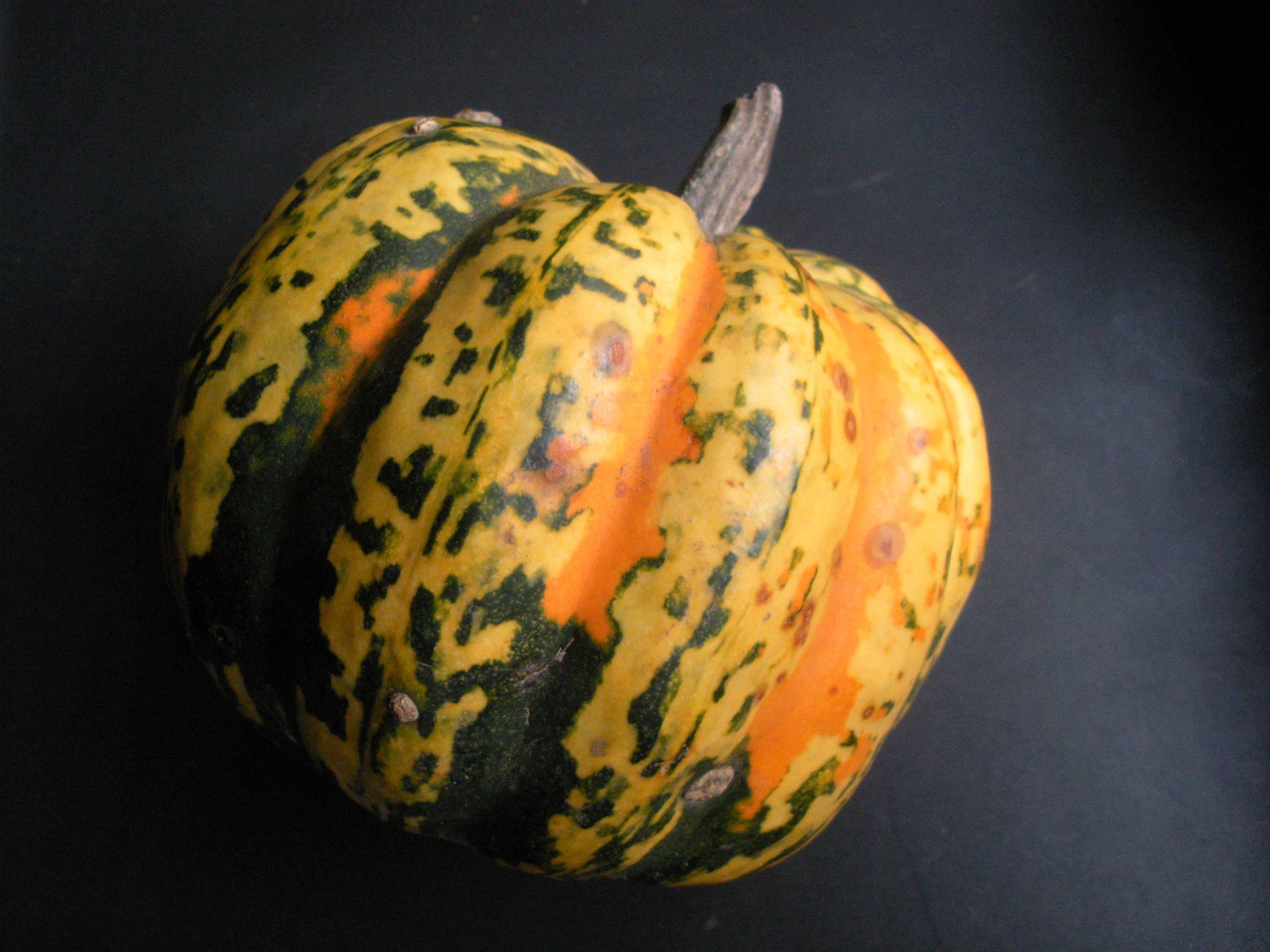
A warming winter staple that offers energy as a complex carb and helps increase circulation.  Since it has a noticeably bright orange flesh, you can guess that it's an excellent source of beta carotene or carotenoids (good anti-carcinogens).  Squash is also rich in vitamin C, iron and magnesium.  I like to use the small sweet varieties such as:

Carnival Squash
Photo via

Buttercup Squash
Photo via
Kabocha Squash
Photo via
Photo via


Tarragon
Primarily offers its brisk, anise flavor but is also supports digestive health.  Always, always use fresh tarragon.  No if, ands or butts. It's purely blasphemous to use dried tarragon.


...And for the recipe!  Enjoy.


___________________________________________________________________

Cherry Tarragon Lentils in Roasted Squash

Not only do lentils and squash together make a complete protein, but this hearty vegetarian entrée is also easy on the budget.  The light and fresh licorice flavor from the tarragon marries well with the sweet bing cherries, bringing together the succulent taste of lentils in a cozy bowl of tender roasted squash. It presents beautifully on the plate and is backed up with flavor.

___________________________________________________________________

1 sweet squash such as carnival, buttercup or kabocha
Extra-virgin olive oil to drizzle
1 cup French lentils
1 bay leaf
2 1/3 cups vegetable stock, divided
2 tablespoons butter, divided
½ onion, sliced into half moons
1/3 cup dried cherries, roughly chopped
2 heaping tablespoons of fresh chopped tarragon
2 tablespoons of lemon juice
1 teaspoon balsamic vinegar
½ teaspoon sea salt

Pre-heat to 375°F.

Slice squash in half around the equator and brush with oil.  Place flat side down on baking sheet and bake for about 1 hour, or until tender when pierced with a fork.  

While squash is roasting, prepare lentils by combining lentils, bay leaf and 2 cups of stock in a pot and bring to a boil.  Reduce heat to low, cover and simmer for about 30 minutes.  Lentils are done when all liquid has been absorbed.  

Meanwhile, melt 1 tablespoon of butter in a skillet over medium-low heat.  Add onions and caramelize, about 20 minutes.  Stir frequently.  Remove onions from skillet and place on a cutting board to give it a rough chop.  Add the remaining tablespoon of butter to the skillet and then add the cherries and tarragon.  Stir for about a minute or so and then add in the lemon juice, vinegar, salt and remaining stock.  Toss mixture with lentils and serve inside the squash bowls or over top the quartered squash.  Garnish each with a sprig of tarragon.  

***This recipe can be easily vegan or dairy-free by caramelizing the onions in olive oil instead of butter.

  
Preparation time: 60 minutes
Serves 4

Copyright 2011, S. Nester, Original Recipe

Sunday, January 30, 2011

Let's Talk FAT

I LOVE this topic, so let’s get to it, shall we?

Most people carry the mentality that “fat” is BAD.  Real bad, like coronary clogging, heart disease kind of bad or saddlebag, booty bag kind of bad.  Okay, I just made up the booty bag part.  You get the idea though.  So bad, that we went through a couple decades of fat-free food mania; low fat this and low fat that.  And after all that, people got fatter.  And yet, heart diseases presently top the list as the #1 disease in America (coronary heart disease alone is responsible for 26% of deaths). Cancer ranks #2 and strokes rank #3.  Low fat was not the cure. In fact, it may be to blame.  (I’m being polite here, but stay with me.)

So this begs the question:
Where did this mindset come from anyway? 

If you see items like this, RUN.  RUN far, far away.
Photo via
Let’s talk about a man named Ancel Keys.  In the 50s, heart disease was increasing at an alarming rate and was the leading cause of deaths in America. It was practically non-existent prior to 1920.  This researcher proposed that there is a direct relationship between the amount of saturated fat and cholesterol in the diet and rates of coronary heart disease.  There were several studies during this time that posed various view points on the rate of heart disease, but the media gave Mr. Keys’ research an enormous amount of attention.  The amount of cigarette smoking, heavy drinking, lack of exercise and other lifestyle factors during that time period weren’t taken in consideration or weren't "worthy" of the media's attention.  Instead, saturated fat took the rap.  The food industry quickly jumped on the band wagon to offer low-fat and fat-free products to soothe the worries of Americans.

The Framingham Heart Study
There was also a very fascinating study in 1948 called the Framingham Heart Study which sought out to support Ancel Keys' hypothesis and ended up (40 years later) uncovering something very intriguing, and something that remains a major point of controversy today: during this time period, people ate less traditional animal fats (like butter) and began eating more unsaturated fats like margarine, refined oils, flours and sugars.  Those who ate more whole food fats, were healthier with lower rates of heart disease and cholesterol and those on low-fat diets, that ate the refined oils had higher rates of morbidity (death). 

Not only that, most people cannot sustain a fat-free diet; studies show people on these diets feel deprived, lethargic and depressed.  I can’t imagine being on a fat-free diet… I’m feeling depressed just thinking about it.

It’s Your Decision
There are many studies on this topic, advocating both view points.  It’s up to you to do your research, draw your own conclusions and do what is right for you and your family.  I encourage you to do so.  It’s pretty safe to say we can’t rely on the media to guide us on what to eat or that we can't just mosey through the grocery stores without reading labels.  Today, we need to be informed and we have to work rather hard to sort through all the information and misinformation. I wish it were more simple.  It should be damn it. 


A Helpful Rule of Thumb
One rule of thumb that helps me decide what to eat is this question:  
What were our ancestors eating 100+ years ago? 

They were eating whole foods, fresh fruit, vegetables, whole grains.  They were eating foods local to their environment/indigenous diets.  They were eating many parts of the animal.  They were cooking their food in butter and lard.  And they were remarkably healthier than we are today. 

They were not eating: margarine, hydrogenated oils (soy bean, corn, palm).  They didn’t have to wonder if foods were treated with pesticides and other harmful chemicals; or if the food was genetically modified / genetically engineered food (GMO or GE) --- or worse, that the food was genetically modified but the label didn't say that.  Because who would want food that is “modified” in a laboratory when you can simply pick a fresh strawberry out of the garden in the peak of season?  

I get that life was way different back then and we all don’t have strawberry gardens in our backyards, but it is a good point to consider, no?

So I ask, is all fat bad?

Here’s the skinny on fat and a limited list of what it does in our bodies and for our bodies:
·         Cells: ~50% of our cell structure are made of fat and cholesterol, the phospholipid bi-layer; good fats play a vital role in cell integrity
·         Brain: your brain is 2/3 fat; you need fatty acids to build brain cells
·         Nervous System: the myelin sheaths that cover your neurons to send signals through your body are 70% fat
·         Supports cognition and mental health
·         Heart: the heart draws on fat reserves in times of stress
·         Gut health: fatty acids in our large intestines keep harmful bacteria away
·         Immune health: good fats strengthen the immune system
·         Cholesterol: good cholesterol helps prevent against cancer and heart disease
·         Breast milk: one of the most nutritious solutions on the earth, is at least 50% fat and contains cholesterol (good fats are essential for nursing moms and children in the prime years of growth)
·         Important vitamins that our body needs to function every day are fat-soluble: A, D, E and K (hormone regulation, heart health, cell repair, blot clotting, etc.)
·         Fats are absorbed more slowly and allow us to feel full for longer; they help with satiety
·         I’d be remiss if I didn’t say that a little fat on the bones helps to keep us warm!  It plays a major role in protecting our organs, absorbing shock and insulating.  Also, if we were in a famine, well you know who would be warmer and have better chances of survival don’t ya? 

What are GOOD FATS:
When you think “good fats” think foods rich in omega-3s from fatty fish, from walnuts, flax seeds, chia seeds, sea vegetables, leafy greens; also other sources of good fats are nuts and seeds like almonds, pecans, pumpkin seeds, macadamia nuts; foods from grass fed/pastured animals like cheese, milk, eggs, butter and meat; also, coconut, avocado, olives. 

Chart via

Read labels and try your best to avoid foods that contain:
·         hydrogenated fat
·         partially hydrogenated fat
·         poly-unsaturated oils
·         trans fats
·         soft margarines and spreads
·         oils that have gone bad and smell rancid
·         dairy and animals products that are not organic, grassfed/pastured/free range

Here are some healthy and safe cooking fats to use in the kitchen:
·         organic pastured butter (stay tuned for a special post on butter)
·         organic extra virgin olive oil 
·         ghee (clarified butter)
·         organic coconut oil
·         organic unrefined sesame oil 
·         organic safflower or sunflower oils (for occasional use)

Here’s what I am NOT saying:
Eat as much fat as you like and you’ll be healthy.  Being overweight is ok.

Here’s what I am saying:
Choose good quality fats. 

And finally, walk out from underneath the fear that saturated fats are directly related to heart disease and other chronic conditions.  Cholesterol in foods do not directly correlate to high serum cholesterol levels (LDL).  Lifestyle choices, genetic factors, regular exercise, eating in moderation, choosing whole and unrefined foods all play a role.  Know that eating good fats, grass-fed/pastured products and whole foods reduce your risk of these chronic diseases and can not only promote health, but are necessary for health.  There is not a perfect formula.  However, if you start by incorporating good fats into your diet, not only will your food taste better (amen to that) but it’s one HUGE thing you can do to nourish yourself and take charge of your health.  I'll be posting recipes with some of these "good fats" in the near future.


Did you know fat played so many important roles in our bodies?  I'd love to hear what you think.

Note: This post is written for the general population for information purposes only so if you have an existing health condition or concerns about your diet, then you may consider contacting your physician.

References:
http://www.westonaprice.org/
http://www.cdc.gov/nchs/fastats/lcod.htm

Tell me what's on your mind!

Click the comments link below the post to share your thoughts.