Showing posts with label dairy-free. Show all posts

Thursday, August 25, 2011

Heirloom Tomato Bruschetta - And the Lovesick Italian Girl


“Pomodori fanno pulsare il mio cuore”

That is Italian for “tomatoes make my heart throb.”  It’s true. It’s true.   When I think of the summer, I long for the day when fresh, heirloom tomatoes are in season.  The summer has been practically non-existent here in Seattle so the anticipation for homegrown tomatoes is leaving many tomato lovers weary and wanting --- until today.  Finally, a couple of my Dorthy’s Delight heirloom tomatoes have ripened and are ready for harvest.  And thank goodness.  How much more can one tomato-loving Italian girl take?! 

Still waiting for the others... those are my tears.

Come on and say it with me, “pomodori fanno pulsare il mio cuore,”… with oomph, animation and while talking with both hands (and throw some hip into while you’re at it). 

Doesn’t that make you smile?  

Dorthy's Delight, just picked and sliced
I’m growing about 5 different types of heirloom tomatoes right now, but you know what captivates me about this particular variety?  Dorthy’s Delight is an heirloom seed that has been passed down for 90 years.  Isn’t there something special to be said about that?  Despite the lack of hot weather that tomatoes need to flourish, still this one fought through.  I am in awe when I think of the vital force within this plant, the extraordinary life of these tiny seeds that have been passed down from many generations.

So what does heirloom mean?
Heirloom and open-pollinated are terms that can be used interchangeably.  When these seeds are saved and re-planted, they will return in the same form.  You can essentially save the seeds and keep on growing tomatoes without having to buy new seeds every year.

If seeds are not heirloom or open-pollinated, they are likely hybrid or genetically-modified.  I’m not going to go into this massively controversial topic right now (since I am writing about love and not war), but just know this type of seed doesn’t yield the same form of plant and often dies out after one use; they are genetic dead heads.

Truly, heirloom tomatoes are second to none.  In my book, no fruit is more charming or unique than the textures and shades of vibrant color that grace these beautiful summer gifts.  They are often bursting at the seams and cracked in unusual places; no one ever really looks like the next. They are perfect.

Some are proudly yellow; some have a mix of lime green stripes with forest green while others are blushing with pink and purple; others have the familiar red, though are still your typical-looking tomato.  Heirlooms ooze with personality and beauty.  They are meaty and full-flavored.  They are worth waiting for.  If you don’t grow them, hit up your local farmer’s markets or natural foods markets in the summer.


These tomatoes are not just a pretty face.  They are rich in vitamin C and the carotenoid lycopene, especially known for its cancer-fighting properties and anti-oxidant effects which support healthy heart function and protects our cells from oxidative damage.  And since carotenoids are fat-soluble, they are better absorbed when eaten with fats (good fats).  Between the tomatoes, olive oil and garlic in this dish, well, who knew bruschetta could be so nourishing to the heart?

To read more about the benefits of garlic, click here

And what better dish to highlight the juicy, fresh taste of tomatoes than bruschetta?  I’ve been making bruschetta all summer and the tomatoes have been okay.  Made with heirlooms, it’s not just okay; it’s divine.  I’m not sure if it’s the wild colors that serenade me, the familiarity and comfort that I associate with garlicky bruschetta or my heartsick condition for these summer treasures.  Perhaps all.  None the less, I’m delighted to share my version of this simple, traditional recipe with you.  Take a bite, close your eyes and savor every bit of bursting flavor that dances in your mouth. 

Is it just me or does your heart throb too in the anticipation of summer heirloom tomatoes?

Visit my business website, www.trephowellness.com for the recipe to Heirloom Tomato Bruschetta.


Sources:

Tuesday, February 8, 2011

Cherry Tarragon Lentils with Roasted Squash

Looking for a gluten-free, vegetarian dish or just want to change things up with some savory lentils? 

Try this recipeCherry Tarragon Lentils with Roasted Squash.

I like to incorporate lentils into my meals every week or so.  They are a fantastic alternative to heavy meat dishes and yet offer a satisfying and hearty protein contribution to your meal.  

Photo via
Lentils
They are wonderfully beneficial for your heart, kidneys and circulatory system.  They help lower LDL cholesterol and lower blood pressure. Lentils are not only mild and tasty, but they are also a good source of fiber and can therefore help prevent blood sugar levels from rising. 

Photo via
Cherries
Are yummy.  And that would be perfectly fine if that's all they ever contributed in life. 

BUT, they have so much more to offer us in additional to being sweet, beautiful gems. They are rich in anti-oxidants, high in vitamin C, iron and folate. They are especially beneficial for inflammatory conditions and have been known to reduce the risk of heart disease.  They are certainly best fresh and in season, but dried cherries can definitely be enjoyed year round.

Squash
A warming winter staple that offers energy as a complex carb and helps increase circulation.  Since it has a noticeably bright orange flesh, you can guess that it's an excellent source of beta carotene or carotenoids (good anti-carcinogens).  Squash is also rich in vitamin C, iron and magnesium.  I like to use the small sweet varieties such as:

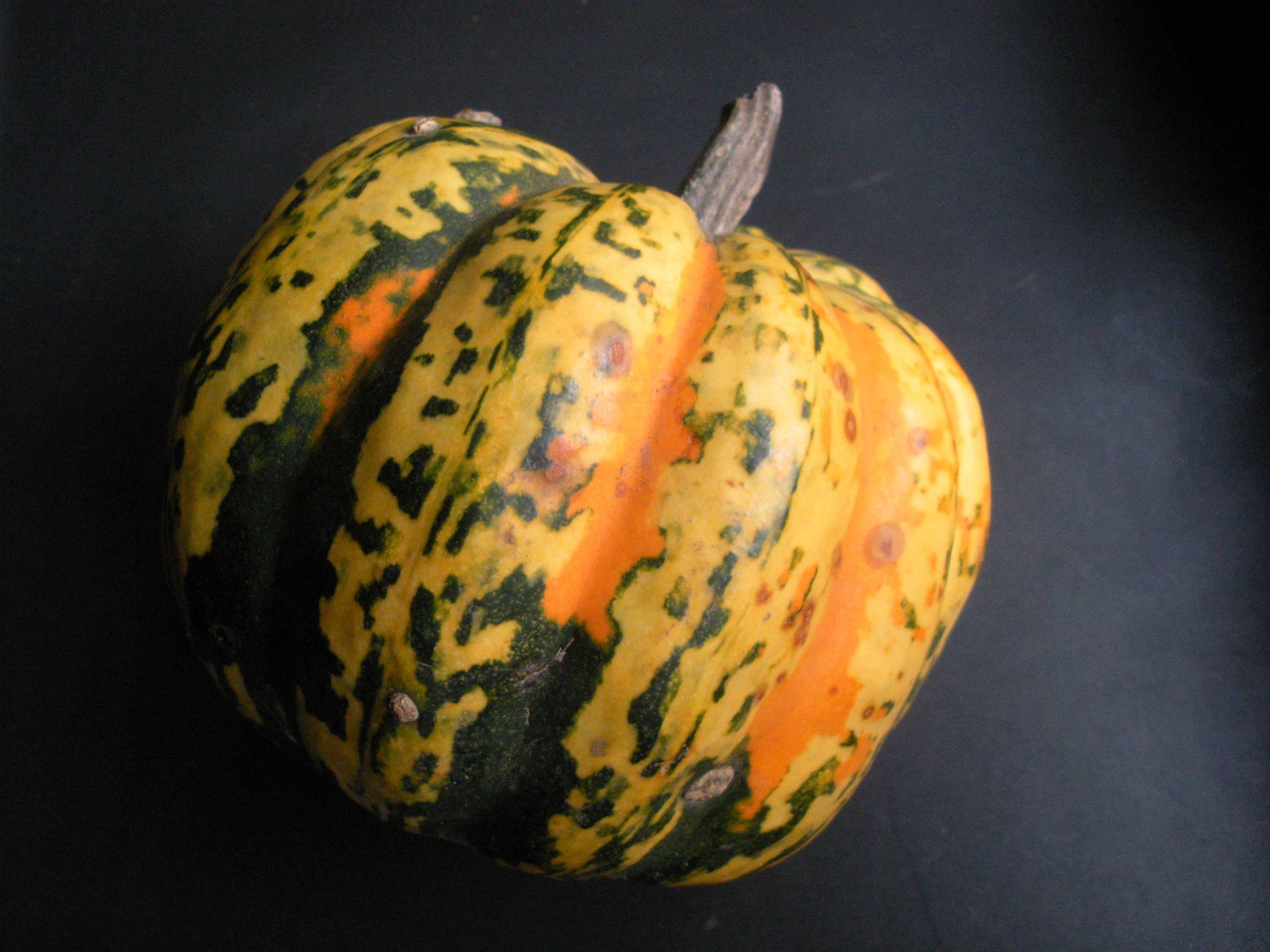
Carnival Squash
Photo via

Buttercup Squash
Photo via
Kabocha Squash
Photo via
Photo via


Tarragon
Primarily offers its brisk, anise flavor but is also supports digestive health.  Always, always use fresh tarragon.  No if, ands or butts. It's purely blasphemous to use dried tarragon.


...And for the recipe!  Enjoy.


___________________________________________________________________

Cherry Tarragon Lentils in Roasted Squash

Not only do lentils and squash together make a complete protein, but this hearty vegetarian entrĂ©e is also easy on the budget.  The light and fresh licorice flavor from the tarragon marries well with the sweet bing cherries, bringing together the succulent taste of lentils in a cozy bowl of tender roasted squash. It presents beautifully on the plate and is backed up with flavor.

___________________________________________________________________

1 sweet squash such as carnival, buttercup or kabocha
Extra-virgin olive oil to drizzle
1 cup French lentils
1 bay leaf
2 1/3 cups vegetable stock, divided
2 tablespoons butter, divided
½ onion, sliced into half moons
1/3 cup dried cherries, roughly chopped
2 heaping tablespoons of fresh chopped tarragon
2 tablespoons of lemon juice
1 teaspoon balsamic vinegar
½ teaspoon sea salt

Pre-heat to 375°F.

Slice squash in half around the equator and brush with oil.  Place flat side down on baking sheet and bake for about 1 hour, or until tender when pierced with a fork.  

While squash is roasting, prepare lentils by combining lentils, bay leaf and 2 cups of stock in a pot and bring to a boil.  Reduce heat to low, cover and simmer for about 30 minutes.  Lentils are done when all liquid has been absorbed.  

Meanwhile, melt 1 tablespoon of butter in a skillet over medium-low heat.  Add onions and caramelize, about 20 minutes.  Stir frequently.  Remove onions from skillet and place on a cutting board to give it a rough chop.  Add the remaining tablespoon of butter to the skillet and then add the cherries and tarragon.  Stir for about a minute or so and then add in the lemon juice, vinegar, salt and remaining stock.  Toss mixture with lentils and serve inside the squash bowls or over top the quartered squash.  Garnish each with a sprig of tarragon.  

***This recipe can be easily vegan or dairy-free by caramelizing the onions in olive oil instead of butter.

  
Preparation time: 60 minutes
Serves 4

Copyright 2011, S. Nester, Original Recipe

Monday, January 24, 2011

Raspberry Scones with Lemon Ginger Tea

Good Morning Sunshine!


I whipped up these yummy scones for breakfast this morning, er brunch rather and thought I'd share.  They are vegan-style scones so do not contain the usual milk, eggs and butter.  


Just to be clear, I am a big fan of organic pastured butter and usually rely on it for the texture and flavor it adds.  Butter does indeed bring out that comforting and satisfying flavor that we all linger for in a baked good.  I am all for quality, whole food fats, rich with CLA and omega 3s --- but more on that in a later post.  


Mmmm.... Butter (photo via)
Okay, okay - another post (stay tuned).  However, in this recipe I used melted organic coconut oil as the fat, which I am also fond of.  I like having the option of making a scone with whatever I have in my house, so if there is no butter on hand (which by the way is a crisis in our kitchen), and I want to make a batch of breakfast scones, or cake or cookies for that matter, well... no problem.  So I share this recipe with you to potentially add to your baking repertoire.


This recipe is made with a cup of fresh ginger and lemon tea that is blended into the dough.  Therefore, this recipe sort of comes with a cup of fresh ginger tea on the side.  There will be some left over and I certainly encourage you to enjoy it and sip away.  Although fresh ginger root is always my preference, if you do not have it on hand you can substitute with 3 ginger tea bags if you'd like, but be sure to brew a strong cup so the ginger comes across.


One of my favorite things to do when I get up in the morning is have a nice cup of warm water with a lemon wedge and fresh pieces of ginger (and sometimes a little honey).  It gets the digestion 'a going and primes the pumps if you will.  It's just a great habit to drink a glass of water upon awakening anyway to start the day off keeping our bodies nourished and well hydrated. 


The Raspberry Scones with Lemon Ginger Tea recipe is below.  A couple of quick notes:
  • use whole wheat pastry flour and not whole wheat flour
  • oil and water work better at room temperature


So, I hope you enjoy this delicious (lighter-style) scone, along with a warming cup of tea... and well the bicep work out you'll get from grating the apple and stirring the dough.  
Heh, you're welcome. 
___________________________

Raspberry Scones with Lemon Ginger Tea

These scones have a lovely blend of bright flavors happening.  They are a little on the lighter side because there are no eggs, butter or milk (dairy-free) in this recipe.  The freshly grated bits of ginger root help give this scone a kick, but if you want to go easy on the ginger, you can always slice the ginger into coins to make the tea and then discard the whole pieces before using the tea. 
___________________________

Tea:
2 tablespoons finely grated ginger root
1 cup boiling water
2 tablespoons freshly squeezed lemon juice

Dry:
3 cups whole wheat pastry flour
1 tablespoon baking powder
½ teaspoon sea salt

Wet:
1 apple, cored and shredded (about 1 cup)
2/3 cup sucanat or rapadura
½ cup of melted coconut oil
2 teaspoons lemon extract
Zest of one lemon
¾ cup raspberries


Pre-heat oven to 375 degrees Fahrenheit. 

To make tea, infuse the grated ginger in boiling hot water for 15 minutes.  Cover tea to trap the oils.  Add the lemon and allow to cool. 

Stir together all dry ingredients in a large mixing bowl.  In a small bowl, stir together apple, sugar, oil, extract and zest.  Gently fold in the raspberries.  Slowly begin integrating the wet ingredients into the dry ingredients. 

Begin adding ½ cup of the tea to the mixture until the right consistency is achieved. You want the dough to be firm and not sticky.  Feel free to drink the left over tea as it’s wonderful for digestion!

Shape the dough into a flattened disc about 1 inch thick.  Place it on a lightly greased baking sheet and cut into 8 slices.  Pull the slices apart so the heat can circulate while baking.  Bake for 12-18 minutes.

Preparation time: 15 minutes
Baking time: 18 minutes

Yield: 8 scones

Copyright 2011, S. Nester, original recipe
___________________________

Tuesday, January 18, 2011

Roast Your Roots!


Did you know that certain foods have grounding and thermal properties that can help nourish you not only during the winter months, but during stressful times?  


Often, if we listen to our body's cravings and tune in, it will tell us what it needs.  A few weeks ago I threw together a big batch of beets, carrots, parsnips, rutabagas and potatoes.  I tossed them with some olive oil, sea salt and some spices and roasted them.  I was having a stressful week and was practically forgetting to breathe. Anyone know how that goes? This dish was not only delicious, but comforting.

Do you know what these vegetables all have in common?  


They are all ROOT vegetables. They naturally and energetically have properties that are strengthening to the body and help us feel more rooted to the ground.  Picture them where they grow... deep in the earth.  They are strong and sturdy and can impart some of those qualities to the eater.  Also, foods like this typically have more warming properties and are therefore excellent for you in the winter months.  And then there are spices that we not only use to season our foods for flavor, but because they also carry their own nutritional properties and medicinal goodness!  


Hundreds of years ago, spices were prized and cherished for this very reason; people fought over them because they knew the value, because they knew... food is the best medicine.   

Roasting is such a fabulous, simple and reliable cooking method.  It's truly a blank canvas for you to pick whichever vegetables your heart desires and decorate with any spice you wish.  As the vegetables roast, the natural sugars are brought out causing them sear in and deepen with a sweetness that yields a savory and sweet vegetable.  It should be moist on the inside and golden brown on the outside.  Vegetables tossed in olive oil, sea salt and pepper never fail; don't be afraid to keep it simple.  It's also very kid-friendly!

Here are some roasting basics -- all you need to know to whip up roasted vegetables to provide a tasty, warming and grounding side for you and your family:

Roasting Basics:
  • choose multiple root vegetables and cut into uniform size pieces (so they cook evenly)
  • place them in a bowl and toss with extra virgin olive oil, sea salt and your choice of spices
  • place the coated veggies in a single layer on a pan
  • roast uncovered at 400 degrees Farhenheit for 30-45 minutes and stir half way in (time will vary depending on the type of vegetable and the size of the cuts)
  • Roast until golden brown and tender when pierced with a fork
  • ENJOY!


Below is a recipe for Curry Roasted Roots (just one way I like to enjoy roasted vegetables), along with a couple of highlights on the root vegetable, burdock and the spice, turmeric.
 ________________________________________________

Curry Roasted Roots

This is a simple, flavorful yet intensely therapeutic dish that is a staple in my home.  The mix of root vegetables allows you to appreciate the unique earthy flavor and textures each vegetable has to offer, while the curried spice blend brings them all together with a vibrant yellow color.  You can enjoy this warming and grounding dish knowing that you are giving your organs a deeply nourishing boost.

________________________________________________

1 large carrot, cut into coins
1 medium parsnip, cut into coins
1 medium red beet, cut into ½ inch cubes
1 small rutabaga, cut into ½ inch cubes
1 large burdock root, cut on the diagonal

2 tablespoons extra virgin olive oil
1 teaspoon sea salt or more to taste
1 teaspoon ground black peppercorn
1 teaspoon ground turmeric
1 teaspoon ground coriander
1 teaspoon garlic granules
1 teaspoon ground cumin
¼ teaspoon garam masala
¼ teaspoon ground cinnamon
¼ teaspoon ground cardamom

Pre-heat the oven to 400°F.

Wash and scrub all root vegetables before chopping to remove any dirt.  Place chopped vegetables in a large mixing bowl and toss with oil.  Combine all spices in a separate small dish and sprinkle the blend over the oiled vegetables. Use tongs or your hands to toss and thoroughly coat with the seasoning.  Spread the vegetables evenly over a large cookie sheet or roasting pan and roast in the oven uncovered for 20 minutes.  Remove from the oven to stir vegetables and then cook for another 20-25 minutes, about 45 minutes total.  Vegetables are done if tender when pierced with a fork.


Preparation time: 60 minutes
Makes 6-8 servings


Copyright 2010, S. Nester, Original Recipe.
_______________________________________________

BURDOCK (Arctium lappa)

I happen to have a thing for burdock.  I am amazed at how this simple root can have such intense therapeutic  properties.  Burdock is recognized for being a blood purifier, an excellent detoxifier (especially for the liver), an anti-carcinogen, for supporting the kidneys and digestion; it's also very high in potassium (like bananas).  


Burdock Root (photo via)
BUYING BURDOCK


Burdock can be found in the produce section of any natural market and often can be found in the specialty produce section of your average grocery store.  It is a long cylindrical brown, rustic-looking root; the taste is very earthy and mildly sweet.  Be sure to select one that is strong and not limp.  Also, if possible, choose organic root vegetables since non-organic ones are likely grown in soil with nasty chemicals (pesticides, herbicides, etc.) which root vegetables soak into their flesh.  Scrub it well with a vegetable brush to remove all the dirt.  Burdock is best stored in your refrigerator for up to a week wrapped in a damp paper towel.  


_________________________________________________________________


TURMERIC (Curcuma longa)
Turmeric, whole and ground (photo via)

Turmeric is a rockstar of a spice!  And for good reason.  


Originating in India, this bright orange, exotic spice is a cousin of ginger and is a beloved spice in Ayurveda.  It's warming, very earthy and musky and a bit astringent.  It's used as a dye, for flavoring in foods and for its therapeutic and medicinal qualities.    


It has this powerful constituent in it called, curcumin, and in studies has demonstrated to have a wide and impressive range of health benefits from being anti-inflammatory, high in anti-oxidants and for being an anti-carcinogen.... which means, it's of course wonderful for the healthy person, but it's even more beneficial for those with inflammatory conditions like arthritis, crohn's, ulcerative colitis, etc.  It also offers a protective function to the brain (potentially reducing the rate of Alzheimer's) and it is liver supporting.  It helps digest protein, normalize metabolism and can help remove oxidized cholesterol, which helps to prevent heart attacks. It's an excellent spice of choice for diabetics since it can help regulate blood sugar as well.  Anti-parasitic, anti-viral, anti-fungal, you name it.  Since turmeric is also anti-microbial, it helps fight infections. There are even "turmeric bandaids" for sale in some Indian markets.  See, ROCKSTAR.  

This spice alone warrants much more attention, but hopefully this was enough to pique your interest and instill a bit of respect for turmeric.  Bastyr University currently has a pretty fascinating study underway to assess the therapeutic values of turmeric (specifically curcumin) and its relationship to preventing/treating liver cancer.  


Step out and add turmeric to other dishes as well.  You never know unless you try it!


Happy Roasting.


NOTE: This post is not designed to give health advice for specific health conditions, but is purely to share the therapeutic benefits of the foods themselves. 

Tell me what's on your mind!

Click the comments link below the post to share your thoughts.